
A: Yes. Male veterans ages 18–44 are over three times more likely to have hearing trouble compared with non-veteran men in the same age group. 10

The hidden cost of service: hearing loss & tinnitus
Service demands strength. It also demands enduring the noise of aircraft, artillery, vehicles, and training that most Americans will never experience. Long after the mission ends, the effects often remain.
Hearing loss and tinnitus are among the most common service-connected disabilities for the men and women who served our nation.
Hearing Loss & Tinnitus
Frequently asked questions
A: More than 3.2 million veterans receive disability compensation for tinnitus, according to the 2024 VA Annual Benefits Report. 9
A: More than 1.5 million veterans receive disability compensation for hearing loss. 9
A: Dramatically. Tinnitus diagnoses among service members more than tripled over a 14-year period — and the numbers have continued to grow since. 11
A: Exposure to loud noise, blasts, and machinery in military settings are the primary causes. Veterans who experienced a combat-related head injury face significantly higher odds of hearing loss, and the condition can also be linked to traumatic brain injury (TBI). 12
A: Hearing loss and tinnitus can affect communication with family and friends, job performance, and mental health. About half of veterans surveyed described their tinnitus as moderate to very severe, and those most affected were significantly more likely to screen positive for PTSD, depression, and anxiety. 9 Because these conditions are often permanent, many veterans require ongoing clinical care.
A: Phonak is proud to support veterans with advanced hearing aid technology and wireless accessories available through the VA, DoD, Indian Health Service (IHS), and the Community Care Network (CCN).

Tinnitus is Common
1 in 10 American adults experience tinnitus. It is the #1 service-connected disability for veterans
Impact on daily life:
- Stress & anxiety
- Difficulty concentrating
- Sleep problems
- Social isolation
- Depression
Your First Appointment
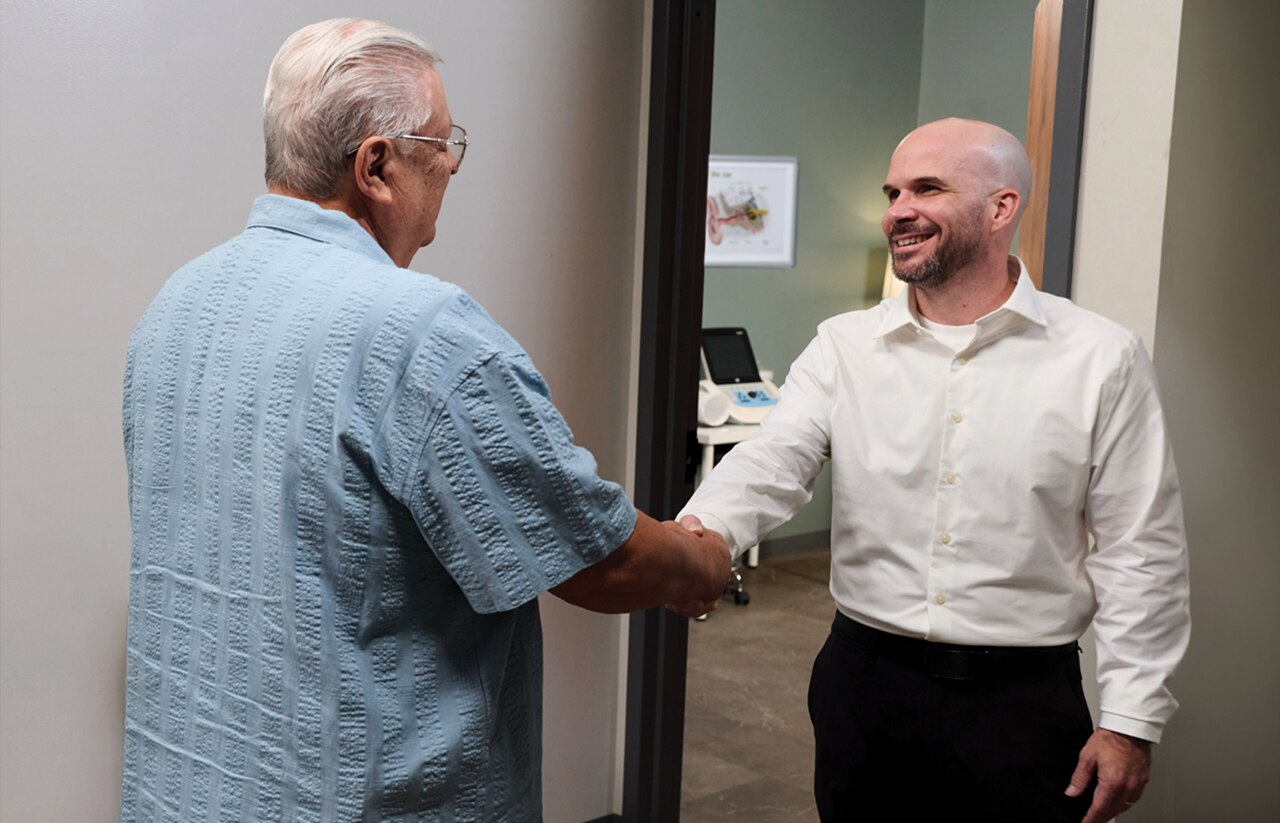
Your initial tinnitus assessment may include:
- Tinnitus questionnaire
- Hearing and tinnitus analysis
- Review of results
- Recommended treatments or products
- Counseling & goal setting
Note: Most people with chronic tinnitus have mild hearing loss.

Tinnitus Sound Therapy
Tinnitus Sound Therapy:
- Provides additional sounds for the brain to focus on
- Makes tinnitus less noticeable
- Teaches your brain to treat tinnitus as a background sound
Note: Each tinnitus experience is unique — your hearing care provider will personalize your tinnitus treatment plan.

SilentCloud™ App
Phonak’s medical SilentCloud app is available to veterans and active military patients.
Features:
- Personalized tinnitus management programs
- Educational content & strategies
- Therapeutic exercises to reduce stress and improve focus